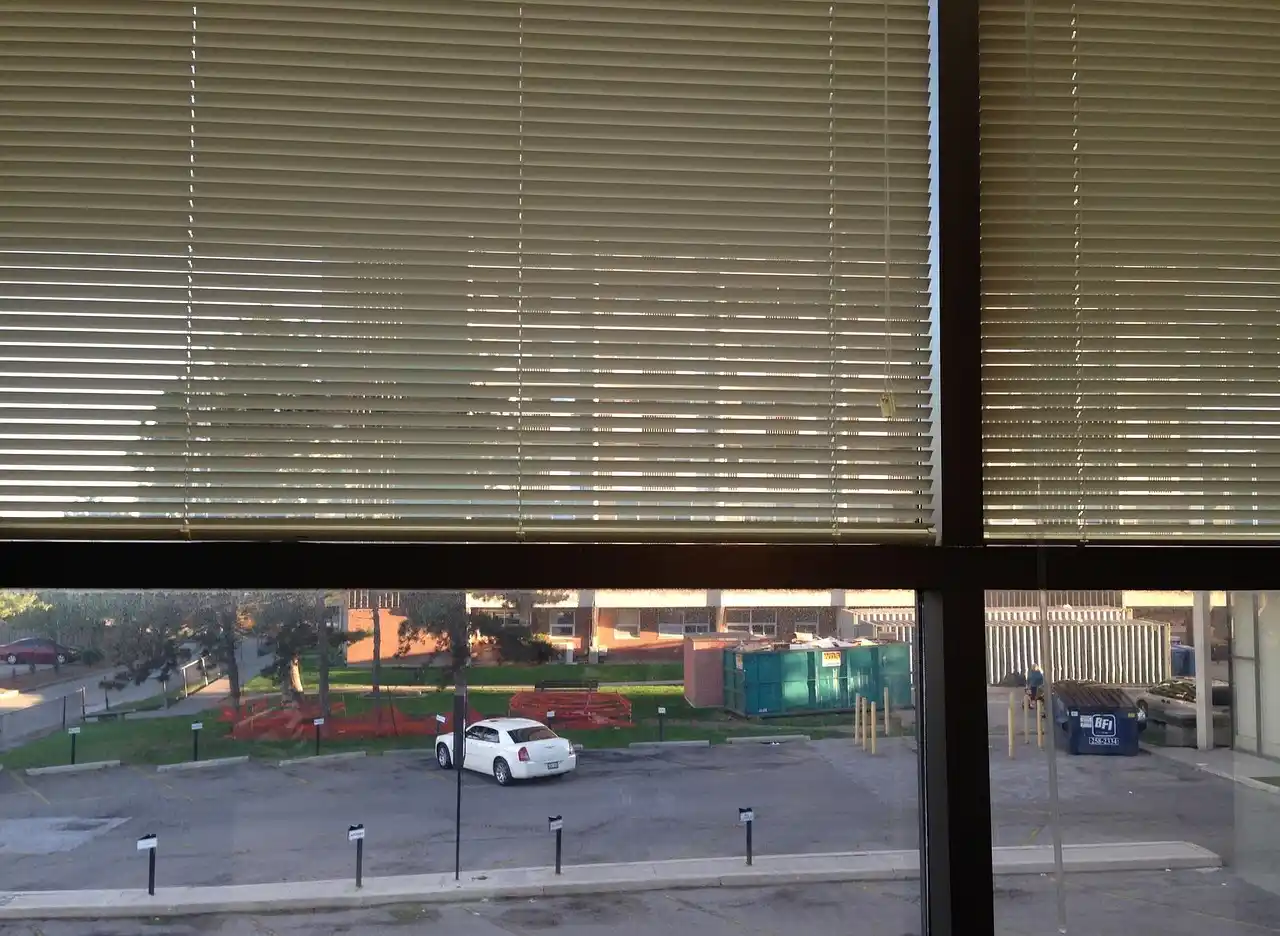
Home Window Tinting Near Me: Find the Best
Choosing the right home window tinting near me can improve comfort, protect furnishings, and reduce energy bills. This guide explains film options, how to evaluate local installers, and how to decide what works best for your home.
What is home window tinting and why it matters
Window tinting uses a thin film applied to interior glass to block a portion of sun rays. Modern films trap heat between panes and reflect infrared light, while allowing visible light to pass through. The result is lower solar heat gain, reduced glare, and protection from UV damage. Quality films also help limit fading of furniture and carpets and provide added safety by holding shattered glass in place.
Why search for home window tinting near me
Local providers bring fast service, easier warranty handling, and better knowledge of regional sun exposure and building codes. Local pros can offer on site measurements, sample films, and professional installation that ensures an even finish and clean edges around frames.
How to pick a trustworthy installer
- Verify licenses and insurance to protect you from accidents
- Look for manufacturer certification and trained installers
- Review portfolios and before after photos
- Ask about warranties for film and installation
- Obtain multiple quotes with a detailed scope of work
Types of window tint for homes and what they mean
Film options vary by technology and performance. Understanding the differences helps you balance privacy, daylight, and energy savings.
- Dyed films offer a low cost and good glare control but fade faster and provide modest heat rejection
- Metalized films increase strength and heat rejection but may interfere with electronics and can appear reflective
- Ceramic films provide high heat rejection, clear optics, and strong durability without metal
- Hybrid films aim to combine benefits with mid range performance and price
Key performance metrics to compare
When evaluating films focus on UV rejection, visible light transmission (VLT), heat reduction, privacy level, and scratch resistance. Also check warranty length and whether the film is compliant with local safety and daylighting requirements.
Cost, value, and return on investment
Costs vary by film type, shade, window size, and installation complexity. Ceramic and high end films typically cost more but offer greater energy savings and longer durability. A professional installer will provide a detailed quote and estimate energy savings based on climate and home size, helping you decide based on value rather than price alone.
Comparison table: tint types at a glance
| Tint Type | UV Rejection | VLT | Heat Reduction | Privacy | Scratch Resistance | Estimated Cost |
|---|---|---|---|---|---|---|
| Dyed Film | Good | High | Moderate | Medium | Low | Low to mid |
| Metalized Film | Excellent | Low to Medium | High | Medium | Medium | Mid |
| Ceramic Film | Excellent | High | Very High | High | High | High |
| Hybrid Film | Very Good | Medium | High | Medium | Medium | Mid to High |
How to get started today
Measure your windows or request professional measurements. Request samples, compare quotes, and confirm installation timing. Ask about after care and warranty transferability. Ensure the installer seals edges properly and leaves the glass clean for a crisp finish.
Conclusion, by choosing a reputable local installer and the right film you can achieve cooler interiors, extended furniture life, and a more comfortable home. Use thoughtful research, verify credentials, and compare films to find the best home window tinting near me for your climate and budget.