Bathroom Decor: Styles, Tips, and Makeovers
Introduction
Bathroom decor is more than aesthetics; it combines function, durability and personal style. A thoughtful approach to color, lighting, materials and accessories can turn a utilitarian room into a calm, inviting retreat. This guide draws on design fundamentals and practical advice to help you craft a cohesive look that works in real life, not just in magazines.
1. Understand your space and function
Start with the layout and moisture exposure. A small bathroom benefits from lighter colors, reflective surfaces and smart storage, while a larger space can showcase bolder palettes and statement lighting. Prioritize water resistance for floors and walls, and plan ventilation to prevent mold and mildew. EEAT comes from combining practical knowledge with trusted sources and proven materials, so choose tiles and fixtures with durable finishes and good warranty coverage.
2. Color palettes and mood
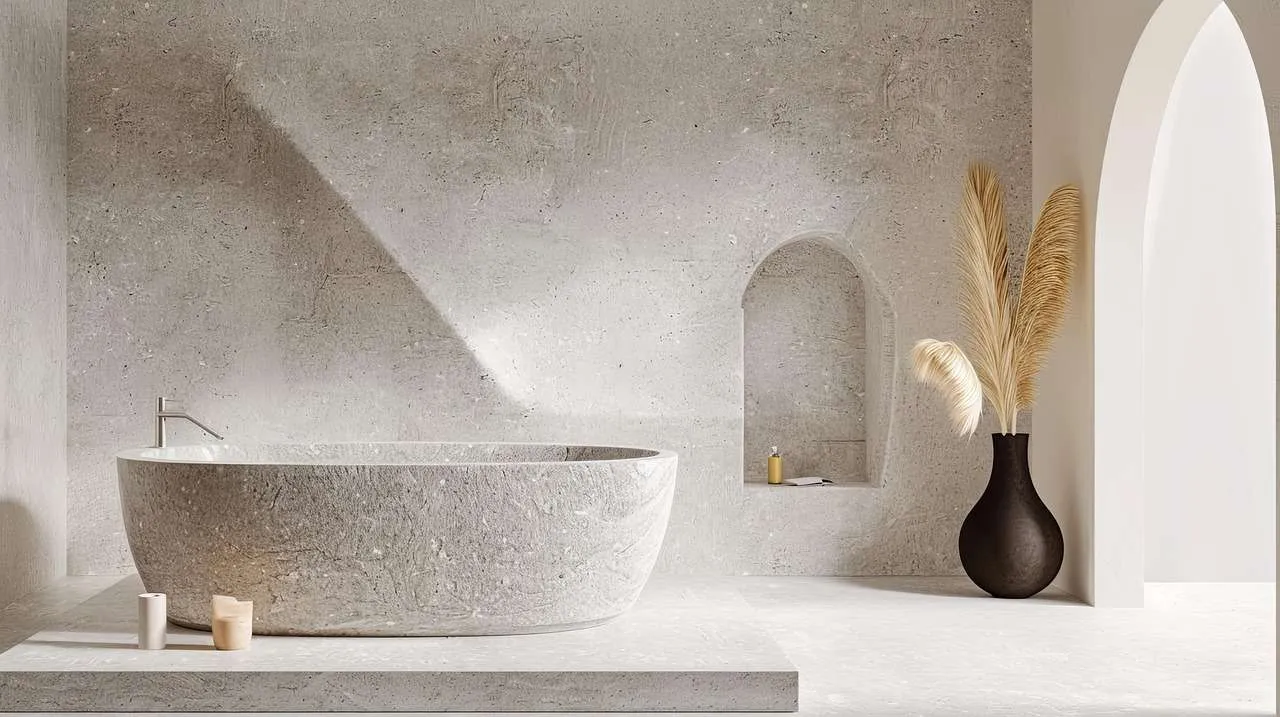
Color influences mood and perceived space. Neutrals such as warm whites, soft beiges and cool grays create a timeless backdrop, while accent colors can add energy. For a serene bathroom, pair a light base with natural textures like stone, wood or woven textiles. If you prefer drama, use a rich navy or sage green on one focal wall or via accessories, ensuring you balance with lighter elements to avoid overwhelming the space.
3. Materials, finishes and fixtures
Durability matters in wet areas. Opt porcelain or ceramic tile for floors and walls, with slip-resistant textures. Choose vanity materials that resist moisture, such as plywood with a waterproof veneer or medium-density fiberboard with a protective coating. Countertops in quartz or solid surface offer longevity and easy maintenance. Faucets in brushed nickel, matte black or chrome provide longevity and a cohesive look. Consider a vanity with soft-close drawers to reduce wear and noise.
Key decisions to guide your selection
Look for water resistance, ease of cleaning, and compatibility with your daily routines. Kitchen and bathroom fixtures should meet local codes and carry warranties. A small investment in durable finishes now saves time and money later, supporting the EEAT principle by prioritizing reliability and safety.
4. Lighting for function and atmosphere
Layer lighting to achieve both task visibility and ambiance. A bright overhead light is essential, complemented by task lighting around mirrors and sconces on either side to minimize shadows. Add ambient lighting, such as LED strips under cabinets or along the mirror shelf, to soften the room at night. For energy efficiency, choose fixtures with LED options and adjustable brightness. Natural daylight also plays a role; if possible, maximize it with a frosted glass or a light-refracting window solution.
5. Storage solutions that simplify daily routines
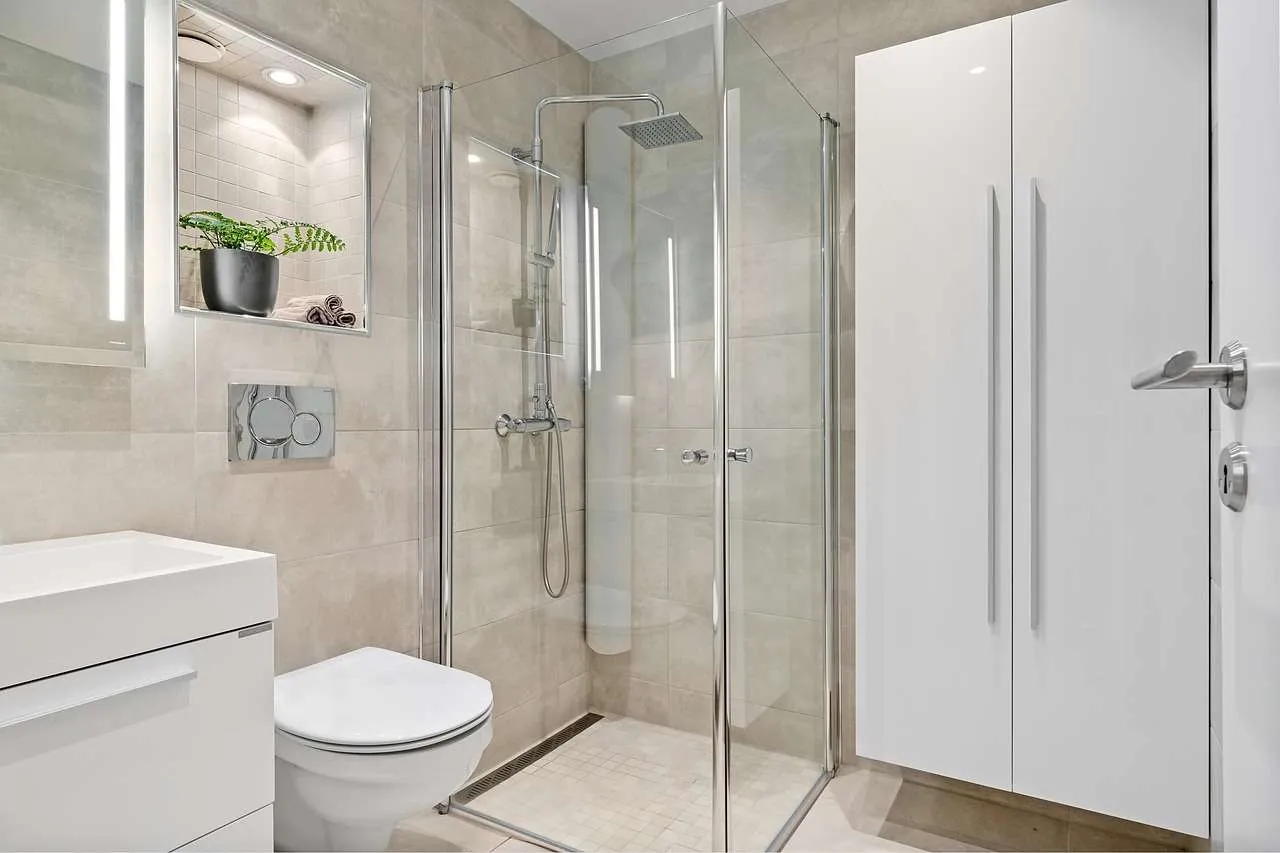
Smart storage keeps a bathroom uncluttered. Recessed medicine cabinets, tall slim storage on unused walls, and vanity drawers designed for small items can dramatically reduce countertop clutter. Open shelving with baskets adds storage and texture, provided you curate items to avoid a chaotic look. Integrate laundry hampers, towel bars and hooks in a consistent metal finish for a cohesive appearance that also supports functionality.
6. Decor and accessories with restraint
Decor should enhance, not overwhelm. Choose towels, rugs and curtains in colors that echo your palette. Plants thrive in bathrooms with good humidity and light, adding color and life. Artwork and decorative jars can personalize the space, but avoid excess clutter and fragile items near water sprays. A well-chosen mirror can make the space feel larger while reflecting light across the room.
7. Budgeting, planning and a realistic timeline
Set a realistic budget based on scope. DIY tasks like painting walls or updating hardware can save money, while plumbing or electrical changes typically require a licensed professional. Get multiple quotes, verify licenses and insurance, and demand warranty information for fixtures. A phased approach—focusing on the most visible upgrades first—helps manage time and costs, aligning with careful planning and trusted execution.
8. Style ideas at a glance
| Style | Key Features | Best For | Pros and Cons |
|---|---|---|---|
| Modern | Clean lines, neutral palette, matte fixtures | Small spaces, minimalist taste | Pros: airy and cohesive; Cons: may feel cold if overused |
| Classic | Timeless cabinetry, warm wood tones | Traditional homes | Pros: enduring charm; Cons: updates may require more maintenance |
| Coastal | Light blues, sand tones, weathered wood | Bright, airy spaces | Pros: refreshing vibe; Cons: sun fading on painted surfaces |
| Boho | Patterned tiles, textiles, mixed metals | Eclectic personalities | Pros: unique character; Cons: risk of clutter |
Incorporating these ideas into a cohesive design requires attention to lighting, materials and storage. Start with a mood board that captures your preferred palette and textures, then test samples in real light conditions before committing. If you feel unsure about structural changes or plumbing, consult a licensed professional to ensure safety and lasting quality, reinforcing the trust and expertise expected in professional decor guidance.
Conclusion, a well-planned bathroom decor strategy blends color theory, durable materials, thoughtful lighting and practical storage. By prioritizing moisture-resistant finishes, selecting a cohesive palette, and layering textures, you create a space that is both beautiful and functional. Whether you DIY or hire a pro, a clear plan keeps every decision aligned with your goals, delivering a bathroom that reflects your style and stands the test of time.